Should You Leave Your Faucets Dripping in Freezing Weather? Wilmington Plumber Advice
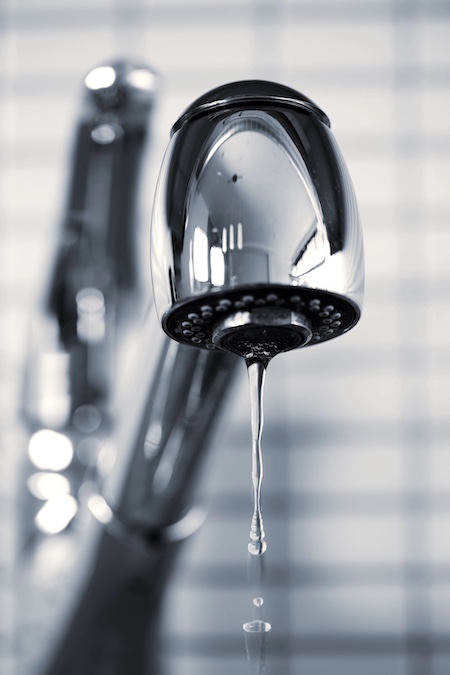
When the temperature plunges in Wilmington, many homeowners wonder if a slow drip will keep pipes from freezing. As a trusted plumbing repairs resource, Rock Solid Plumbing & Heating LLC hears this question every winter, and the honest answer is: sometimes yes, sometimes no.
Dripping can be helpful in the right conditions because moving water is less likely to freeze. But it’s not a cure‑all, and it’s never a substitute for a professional assessment of your home’s plumbing layout and insulation.
What Dripping Faucets Actually Do During a Freeze
Inside a cold wall or crawlspace, stagnant water can turn into ice and expand. A controlled drip keeps water moving through vulnerable sections, reducing the chance of ice forming long enough to burst a pipe. That’s the basic physics behind the advice.
Still, the benefit depends on your home’s routing. Long runs on exterior walls, unheated basements, and additions with shallow crawlspaces are common in older Wilmington capes and ranches. In these situations, a strategic drip can buy time during an overnight cold snap.
Think of dripping as a short‑term safety valve during extreme cold, not a long‑term fix for underlying risks.
When Dripping Makes Sense In Wilmington
Not every cold night calls for a drip. The strategy tends to help most when conditions line up with how your plumbing is built and where the cold settles in your house.
- Extended hard freezes after wet weather, when cold finds its way into wall cavities and rim joists.
- Homes with bathrooms or kitchens against exterior walls, especially in older neighborhoods like Silver Lake and North Wilmington.
- Additions or bonus rooms served by long pipe runs through unconditioned spaces.
- Vacant or seldom‑used areas of the house where fixtures sit idle for long stretches.
In those scenarios, a steady, tiny flow can reduce freeze risk until temperatures rebound. If your home fits several of these patterns, it’s wise to talk with a pro about a winter plan designed specifically for your layout.
When Dripping Isn’t The Best Move
There are times when a drip offers little benefit or creates trade‑offs you might not want. For example, if a line is already compromised by past freeze damage, more flow won’t fix the weak spot. You could end up masking a bigger issue that deserves a repair.
- Modern, well‑insulated homes with short interior runs rarely see benefit from dripping.
- Homes where the risk point is a single exposed section that calls for a targeted repair rather than stopgap measures.
- Properties with known drainage concerns, where leaving any fixture running unattended isn’t ideal.
That’s why an inspection matters. A licensed plumber can spot the difference between a home that gains protection from a short‑term drip and a home that needs a specific fix.
Which Faucets Matter Most and How Much Flow Counts
Every house is different, but the fixtures that usually matter are the ones fed by the coldest, longest runs. Think about the farthest fixture from your main water entry, or the sink set on an exterior wall above a chilly garage. A small, steady trickle at the right fixture is more effective than random dripping throughout the house.
Homeowners often ask how much flow is enough. The goal isn’t to waste water. It’s to keep water moving just enough through a vulnerable section to lower the chances of ice forming while the cold peaks overnight.
Hot, Cold, Or Both? Understanding Your Plumbing Layout
Most freeze problems start on cold lines, yet hot lines can freeze too if they pass through the same unconditioned spaces. The deciding factor is the route a pipe takes through your home, not the temperature of the water inside the pipe five minutes ago. In multifloor layouts, different branches may have different risk profiles because of how the trunk lines split and travel.
If you’re unsure how your lines are routed, that’s a sign to bring in a professional who can map the system and point out the true weak links. A short visit now can prevent a winter emergency later.
How Wilmington Homes Shape Freeze Risk
Wilmington sits north of Boston, where winter often swings from thaw to sudden cold. Those quick drops can be hard on pipes that pass near drafty sills or older foundation walls. Many local homes combine original sections with newer additions, which means your plumbing may have mixed ages and materials all in one system.
Local geography matters too. Homes near open, windy areas or with garages beneath living spaces may feel harsher wind chill. On the other hand, sheltered lots with good insulation and interior routes experience fewer cold‑spot problems. Your home’s story is unique, so your prevention plan should be as well.
Wilmington’s freeze‑thaw swings can push cold air into wall cavities overnight, then ease up by afternoon. A professional check of the coldest pipe runs before peak winter helps avoid surprise bursts in the middle of the season.
What A Licensed Plumber Looks For Before Recommending A Drip
Pros don’t guess. They evaluate. During a cold‑weather plumbing visit, a licensed tech studies your main water entry, pipe routes along exterior walls, the age and condition of visible sections, and the rooms most exposed to wind and shade. They consider how your heating system distributes warmth and where temperatures tend to lag.
If a controlled drip is appropriate, they’ll explain where it helps and why. If it won’t meaningfully reduce risk, they’ll recommend repairs or adjustments that address the true cause. That way, you’re not relying on a partial measure when a targeted fix is the better move.
When freeze risk is higher than average, scheduling timely plumbing repairs is the safest way to protect your home’s pipes for the rest of the season.
Water Use, Responsibility, and Peace Of Mind
Most homeowners want to do the right thing for their home and the environment. That’s why a case‑by‑case plan matters. Using water wisely while protecting your property is a balance, and a pro can help you find the smallest, most effective step to lower risk when the cold hits.
If your home has a history of freeze trouble, don’t wait for an emergency to act. A brief assessment now can save you from disruption, water damage, and stress later on.
Real‑World Examples From Around Town
In a North Wilmington cape with a kitchen over an unheated garage, the risk point might be a single run along the exterior rim joist. In that case, a drip during the harshest nights could help for now, while a long‑term plan focuses on correcting that cold route. Contrast that with a newer colonial near Silver Lake, where all supply lines run within conditioned space. For that home, dripping likely adds little benefit during typical cold snaps.
These examples show why broad advice falls short. Your home’s age, additions, and pipe paths tell the real story.
Answering The Big Question: Should You Leave Faucets Dripping?
Here’s the bottom line for Wilmington homeowners: dripping is a tool, not a rule. Use it during the harshest cold only if your home’s layout suggests a real freeze risk, and pair that decision with a professional’s guidance so you’re not relying on guesswork. If the conditions don’t match your home, skipping the drip is reasonable and responsible.
If you’re still unsure, talk with a Wilmington plumber who knows the area and how local homes are built. A quick conversation with Rock Solid Plumbing & Heating LLC can clarify the best plan for your situation.
Plan Ahead With A Pro You Can Trust
Winter plumbing risk is manageable with the right strategy. Whether you’ve had a burst in the past or you’re trying to prevent the first one, a targeted plan beats blanket advice every time. Our licensed team will review your layout, explain your actual risk, and recommend the most effective steps to protect your home through the coldest weeks in MA.
Ready For The Next Cold Snap?
Need fast help before temperatures dive again? Call Rock Solid Plumbing & Heating LLC at 978-437-3233 and we’ll assess your winter risk the right way. Our licensed team is nearby, experienced with Wilmington homes, and ready to protect your pipes with smart, professional solutions.
Rock Solid Plumbing & Heating:Your Reliable Choice